

Effective drug rehab social media marketing is not about chasing likes or posting generic motivational content. It focuses on clear communication, trust-building, and meeting people where they already spend their time. When used strategically, social media supports outreach, education, and lead generation by helping treatment centers share accurate information and reduce uncertainty. It also guides individuals toward the next step in care while reinforcing credibility in a competitive environment.
Understanding the Importance of Social Media Marketing for Drug Rehabs
Social platforms offer something traditional channels cannot: ongoing, two-way communication. Rather than relying solely on search or paid ads, social media allows treatment centers to remain visible throughout a person’s research process. This consistent presence helps organizations stay relevant while individuals compare options, seek reassurance, and gather information at their own pace.
That visibility supports three practical objectives. It helps educate audiences who may not yet be ready to call, builds familiarity and trust through repeated exposure, and creates multiple pathways for outreach through direct messages, profile links, and referral traffic. When aligned with admissions goals, social media marketing for drug rehabs functions as a steady support channel rather than a standalone tactic.
Raising Awareness Through Education
Education is one of the most practical uses of social media in addiction treatment marketing. Clear explanations of treatment options, levels of care, and recovery timelines help reduce confusion and set realistic expectations for people researching their options.
Short videos, carousel posts, and concise written content perform best when they address specific questions. Topics such as what to expect during detox, how family involvement works, or differences between outpatient and residential care resonate because they reflect real concerns. Educational content should remain factual and straightforward, avoiding exaggerated claims or emotional language that can weaken credibility.
Building a Supportive Online Presence
A supportive online presence does not require public disclosures or open discussion of personal experiences. It is built through consistency, responsiveness, and a respectful tone that reflects how care is delivered in real settings.
When treatment centers respond promptly, acknowledge questions clearly, and share content that demonstrates understanding, audiences are more likely to engage. Supportive content can include staff insights, explanations of treatment processes, or recovery-focused reminders. The emphasis should remain on clarity and reliability rather than inspiration alone.
Lead Generation Through Social Platforms
Social media can support admissions when used with clear intent and structure. Targeted ads, defined calls to action, and well-organized profiles help guide users toward meaningful next steps rather than passive engagement.
Lead-focused posts should direct users to specific actions, such as visiting a service page or contacting the admissions team. Platform analytics help track which messages generate qualified inquiries and which only drive surface-level engagement. Over time, this data allows teams to refine targeting and focus on content that supports admissions goals.
Using the Right Platforms Effectively
Each social platform supports different communication goals, and not every channel requires the same level of investment. Within a drug rehab social media marketing strategy, effective execution depends on choosing platforms that align with your audience’s behavior and the type of information you want to share, with each channel serving a clearly defined role. Rather than posting identical content everywhere, treatment centers benefit from customizing their approach so social media efforts remain focused, manageable, and aligned with specific objectives.
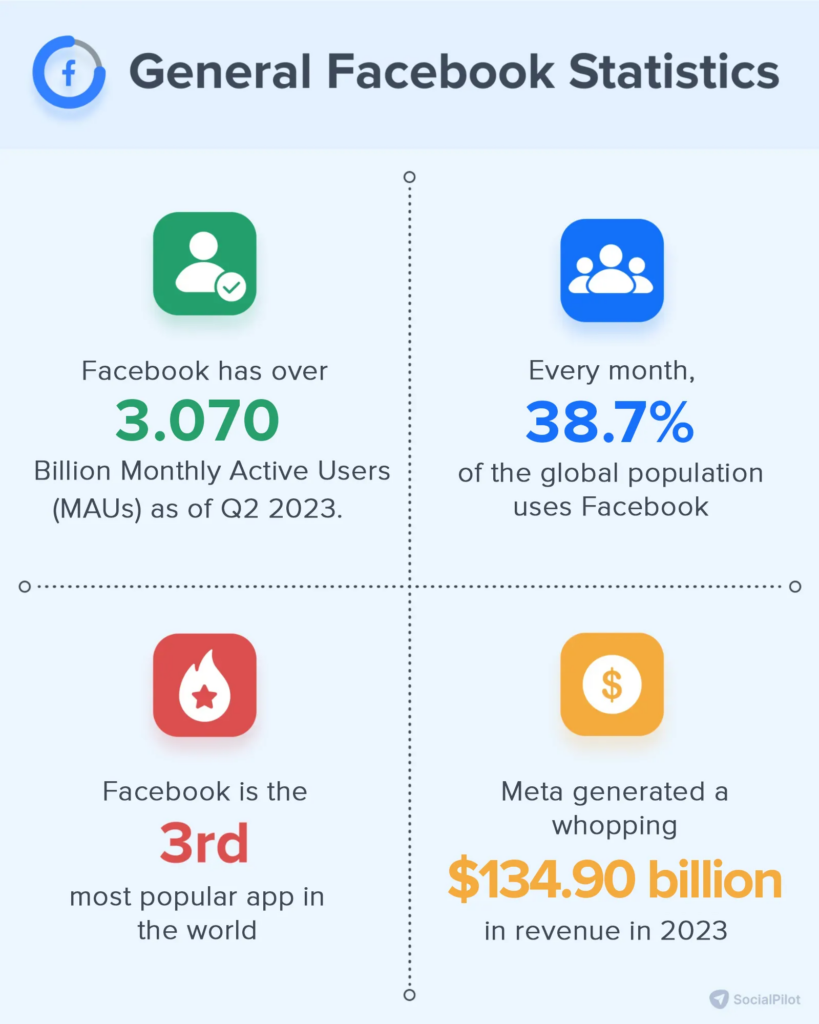
Facebook remains effective for community updates, educational posts, and targeted advertising. Its format supports longer explanations, making it useful for sharing treatment information, program updates, and links to resources. Pages and groups also allow centers to maintain ongoing conversations, answer questions, and provide timely updates that reinforce credibility.
Advertising tools on Facebook offer precise targeting options, which can support outreach when paired with clear messaging and defined next steps. Used consistently, the platform helps maintain visibility throughout a person’s research process.
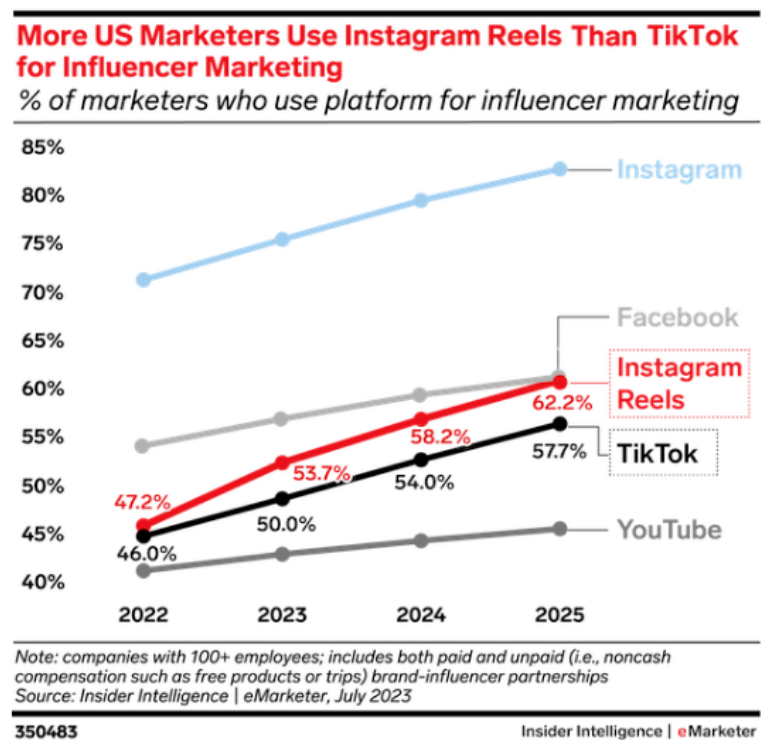
Instagram works well for short videos, visual storytelling, and quick updates. Reels and Stories help maintain regular visibility without requiring long-form content, which makes the platform easier to manage consistently. Visual formats are especially effective for sharing educational highlights, staff perspectives, and simple explanations of treatment concepts.
Because engagement tends to be faster-paced, content should remain focused and easy to understand. Clear captions and links in profiles help guide users who want more information.
TikTok
TikTok favors concise, informative videos that feel direct and approachable. Educational clips explaining treatment processes, common misconceptions, or recovery terminology often perform better than promotional messaging. The platform rewards clarity and relevance rather than production quality.
Consistency matters more than volume. Even a small number of well-planned videos can support visibility when content addresses specific questions people are already searching for.
YouTube
YouTube supports longer educational videos and more detailed explanations. Topics such as treatment overviews, staff introductions, frequently asked questions, or step-by-step explanations of care options help build trust over time. Because videos remain searchable, they continue providing value long after they are published.
Clear titles, descriptions, and structured content improve discoverability and make it easier for viewers to find the information they need.
Creating Content That Serves a Purpose
Content should always support a clear goal. In the context of drug rehab social media marketing, the goal is to answer common questions, clarify treatment options, and guide people toward appropriate next steps while maintaining consistency across posts. A thoughtful mix of educational content, recovery-focused messaging, and visuals helps keep social feeds useful and approachable without overwhelming audiences or diluting the message.
Educational Posts
Educational content works best when it explains complex topics in plain, accessible language. Avoid clinical jargon and long blocks of text, which can discourage engagement or create confusion. Instead, focus on clear explanations of treatment processes, levels of care, and what individuals or families can expect when reaching out for help.
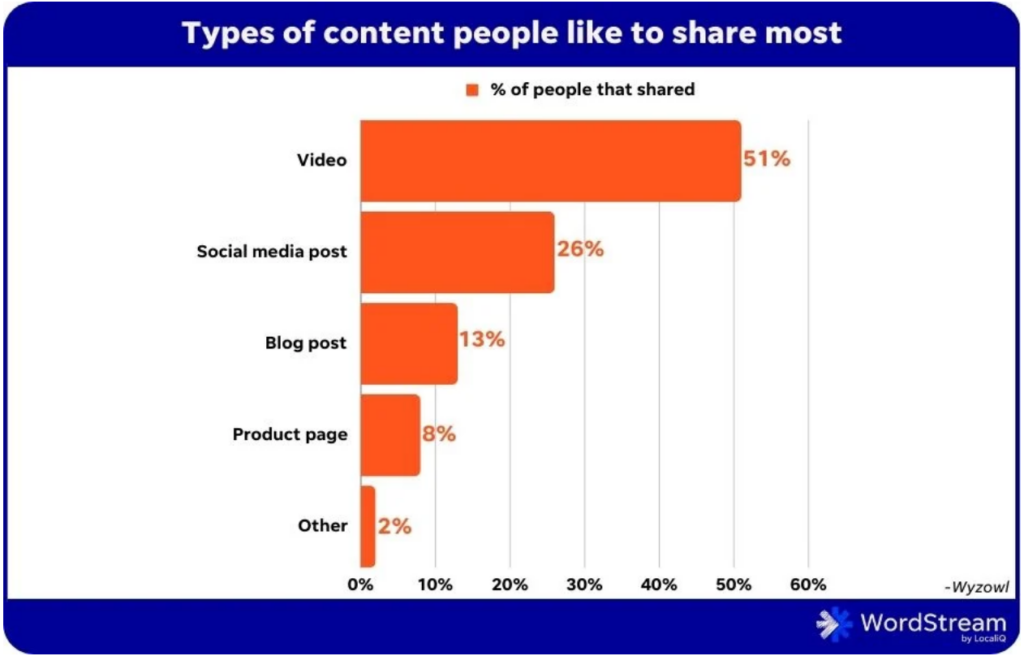
Formats such as infographics, short videos, and concise written posts make information easier to absorb. Breaking topics into smaller parts also allows audiences to engage at their own pace while reinforcing key concepts across multiple posts.
Recovery Stories
Recovery stories can be effective when handled with care and shared only with proper permission. Rather than focusing on dramatic outcomes, these stories should highlight the process, including decision-making, support systems, and the structure of care that contributed to progress.
This approach keeps the focus on realistic expectations and reinforces how treatment works in practice. Within social media marketing for drug rehabs, thoughtfully presented recovery stories help normalize seeking help without sensationalizing personal experiences.
Visual Content
Visuals play an important role in how content is received and understood. Images and videos should feel relevant, current, and representative of the actual environment. Facility photos, staff participation, and simple, custom graphics often perform better than generic stock imagery because they provide context and authenticity.
Visual content should support the message rather than distract from it. Clear visuals paired with concise captions help audiences understand the purpose of the post quickly and decide whether to engage further.
Monitoring and Measuring Success
Tracking performance helps identify what actually supports admissions rather than surface-level engagement. Consistent review allows teams to understand how social media activity contributes to real outcomes, such as inquiries and intake conversations, instead of relying on assumptions about what should work. Research on social media–based mental health campaigns has shown that well-structured content can positively influence knowledge, attitudes, and help-seeking behavior, reinforcing the importance of measuring impact beyond likes and impressions.
Key metrics to monitor include:
- Profile visits and website clicks, which indicate whether content encourages further exploration
- Direct messages and form submissions, which signal intent and readiness to ask questions
- Engagement on educational content, which helps identify topics that resonate earlier in the decision-making process
Trends should be reviewed over time rather than evaluated post by post. Looking at performance across weeks or months reveals patterns in content type, format, and messaging that consistently lead to action. These patterns help clarify which efforts deserve continued investment and which should be adjusted or phased out.
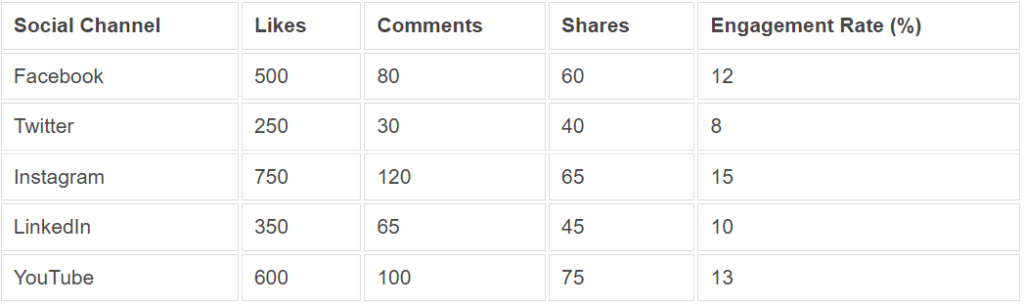
Adjustments should always be guided by data. Refining content based on measurable behavior ensures changes reflect audience needs rather than internal assumptions. Over time, this approach creates a more focused strategy that aligns social media activity with admissions goals and long-term performance.
Evaluating Your Drug Rehab Social Media Marketing Approach
Drug rehab social media marketing is most effective when it is reviewed against clear goals and realistic benchmarks. Taking time to assess how content, engagement, and outreach support admissions can reveal where momentum is building and where gaps may be limiting results. Regular evaluation helps ensure social activity stays focused on meaningful outcomes rather than surface-level engagement.
For treatment centers, delays in addressing underperforming channels can quietly slow inquiries over time. At Stodzy, we work exclusively with behavioral health organizations and routinely identify missed opportunities that are not obvious from basic metrics alone. If you are reassessing your current approach, a focused review can help clarify priorities and highlight practical next steps before those gaps compound.