

Ketamine therapy is no longer a fringe conversation. More clinics are opening, more patients are asking about it, and competition for that attention is growing fast. A focused ketamine marketing strategy helps your clinic show up in the right places, build the kind of trust that converts, and turn online searches into actual consultations. The clinics that get this right early have a significant advantage over those still figuring it out.
The Importance of Marketing Strategies for Ketamine Clinics
The global ketamine clinic market was valued at USD 1.39 billion in 2024 and is projected to grow from USD 1.52 billion in 2025 to around USD 3.35 billion by 2034, with a compound annual growth rate (CAGR) of 9.20% over that period.

Marketing a ketamine clinic comes with real challenges, but the right strategy turns those challenges into growth opportunities. The sections below outline why marketing matters and how to build awareness and a recognizable brand for your clinic.
Increasing Awareness of Ketamine Therapy
The FDA approval of Spravato (esketamine) for treatment-resistant depression was a turning point. It gave ketamine-related treatments a level of clinical legitimacy that opened the door for broader provider and patient interest, and search volume has reflected that shift ever since.
Research supporting ketamine’s efficacy for treatment-resistant depression, anxiety, PTSD, and certain chronic pain conditions has grown substantially since 2021. More patients are looking for answers, and many of them are finding their way to clinics through search.
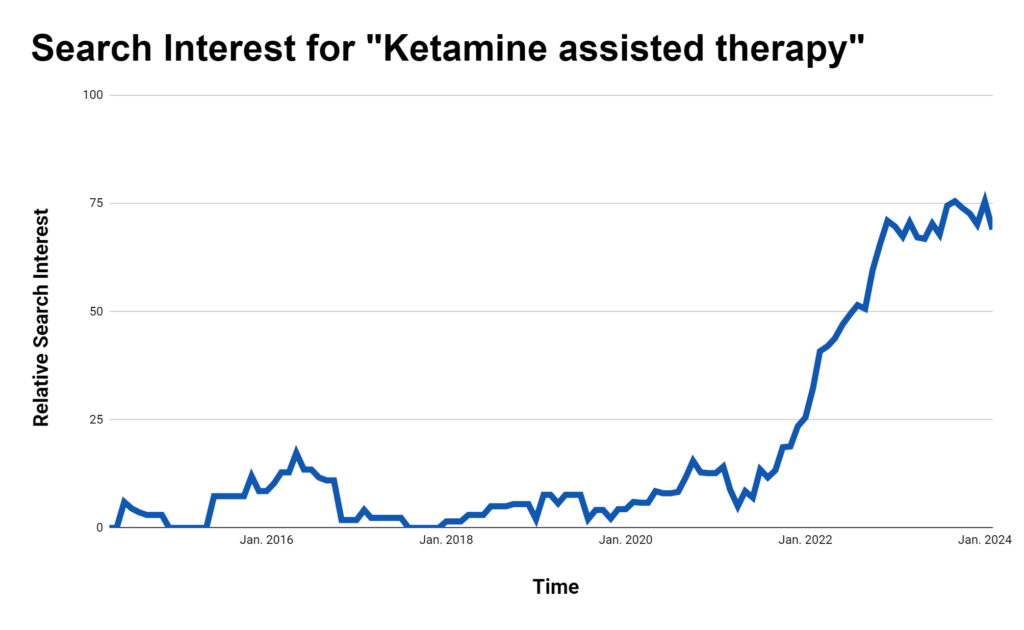
Most people searching for ketamine therapy have already tried other options and hit a wall. They are not casually browsing. They want specific information about whether this is right for them, what the process looks like, and whether your clinic can be trusted. That is exactly where marketing for ketamine clinics makes its biggest impact. A consistent content strategy, including blogs, videos, and infographics, helps people move from curious to confident by explaining the science and sharing real patient outcomes. Education is what closes that gap.
Social media gives your clinic a direct line to people who are already asking questions about ketamine therapy online. Posting consistently, answering common questions, and sharing educational content keep your clinic visible to the right audience and build familiarity before they ever pick up the phone.
Attracting Clients Through Effective Branding
Your clinic’s branding communicates your mission, your values, and why a patient should choose your facility over another. A cohesive branding strategy that resonates with your target audience significantly influences their decision-making process. Here are some key branding elements to consider:
- Visual Identity: Ensure your clinic’s visual elements, including logos, color schemes, and typography, are consistently applied across all marketing materials and digital platforms. A unified look builds brand recognition and trust.
- Messaging: Craft a compelling narrative that highlights what makes your ketamine therapy services different. Whether it is your treatment methods, personalized care plans, or your team, your messaging should clearly communicate what sets you apart.
- Online Presence: Your website is often the first interaction a potential patient has with your clinic. Investing in a professionally designed, user-friendly website design that is optimized for SEO practices ensures patients can find you online. Coupled with a strong content marketing strategy, your site becomes a powerful conversion tool.
- Patient Testimonials: Hearing about positive outcomes directly from patients who have experienced them is powerful. Featuring testimonials on your website and social media lends credibility to your services and meaningfully impacts a potential patient’s decision to reach out.
Strong branding does not happen overnight, but the investment pays off in patient trust and long-term clinic growth. When every element of your digital marketing for a ketamine clinic works together, your facility becomes easier to find, easier to trust, and easier to choose.
Key Components of a Ketamine Clinic Marketing Strategy
Every ketamine clinic marketing tactic needs a purpose. Without a clear strategy connecting them, you end up with scattered efforts that produce inconsistent results and no real picture of what is working. The components below are what a coordinated approach looks like in practice. When they are aligned, your clinic becomes findable, credible, and far more likely to convert a first-time visitor into a patient.
Website and Online Presence
Your website is the center of your ketamine marketing strategy. It is where potential patients land when they are looking for answers, and it needs to move them toward action. For your website design to convert effectively, it should meet these standards:
- User-Friendly: A clean, intuitive interface ensures visitors find what they need without frustration.
- Informative: Your expertise in ketamine therapy should be evident through detailed service descriptions, patient testimonials, and educational resources.
- SEO-Optimized Content: Integrating SEO practices helps your site rank higher in search results, making it easier for patients to find you. Use keywords like “ketamine therapy” and “ketamine clinic” naturally throughout your content to improve visibility.
Creating content that answers the real questions your audience is asking builds authority and trust, both of which are non-negotiable in healthcare marketing.
Strategic Local SEO
Local SEO is a high-impact digital marketing strategy for ketamine therapy clinics looking to attract more patients in their area. By optimizing your online presence, you increase your clinic’s visibility in local search results on Google and other search engines. When patients search “ketamine clinic near me,” you want your clinic at the top of the results.
Google Business Profile Optimization
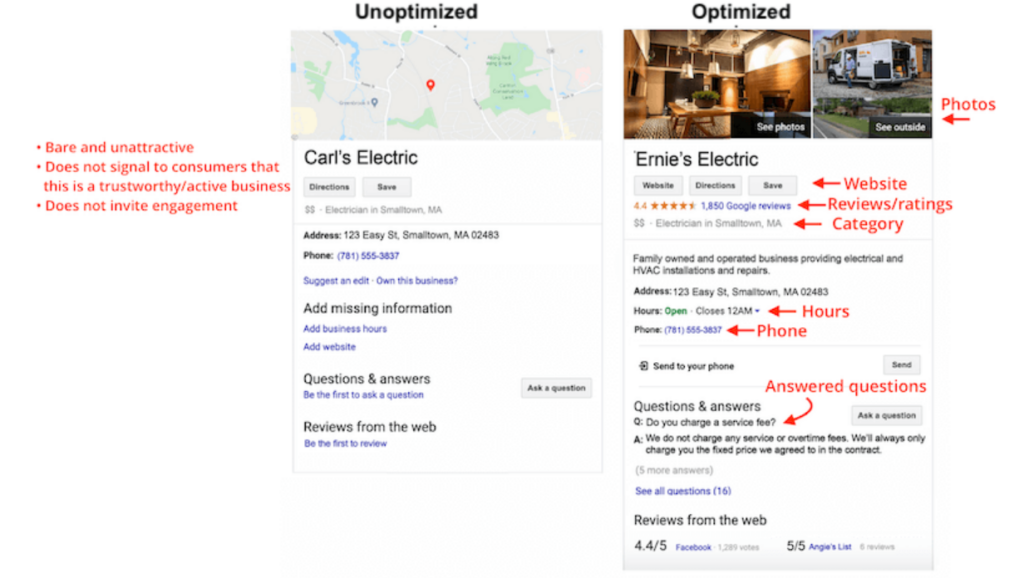
Create and verify your Google Business Profile (GBP) listing to boost your clinic’s visibility in local search results and Google Maps. Make sure your GBP is complete and accurate, including your clinic’s name, address, phone number, hours of operation, and services offered. Regularly update your profile with photos and clinic news, and respond to reviews to improve engagement and credibility.
.
Local Keywords Optimization
Incorporate local keywords, such as “ketamine therapy in [City Name]” or “[City Name] ketamine clinic,” into your website’s content, titles, meta descriptions, and URLs. Doing so helps search engines understand your local relevance and can improve your ranking in local search results.
Website Localization
If your clinic operates in multiple locations, create location-specific pages on your website. Each page should provide specific information about services, staff, and contact details for that location, along with local keywords to strengthen relevance in local search queries.
Online Reviews and Ratings
Encourage satisfied patients to leave positive reviews of your clinic on your GBP and other relevant online directories. This social proof significantly influences potential patients’ decisions. Respond professionally to both positive and negative reviews. A high quantity and quality of reviews can improve your clinic’s local search ranking and attract potential patients.
Post Regularly
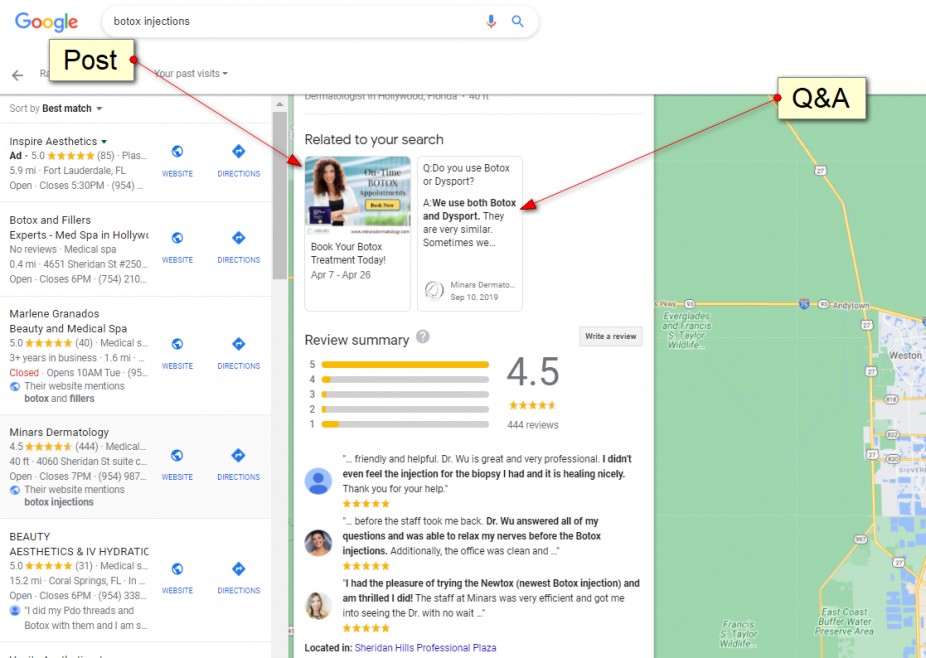
Use the post function on your GBP to share updates, photos, events, and articles. Google’s algorithm favors active profiles, and consistent posting signals that your clinic is engaged and current. Even 2 to 4 posts per month can make a measurable difference in local visibility.
Local Backlinks
Build local backlinks by getting listed in local directories, engaging with community events, and establishing partnerships with local businesses. Backlinks from reputable local websites strengthen your site’s authority and ranking in local search results.
Mobile Optimization
Make sure your website is mobile-friendly. Most local searches happen on mobile devices, and a mobile-optimized site provides a better user experience, which factors into Google’s ranking algorithm.
Social Media Presence
Use social media platforms to connect with your local community. Post updates, educational content, and clinic news regularly to engage potential patients and drive traffic to your website.
Structured Data Markup
Use schema markup (structured data) on your website to give search engines specific information about your clinic, including your address, phone number, and services. Doing so enhances your visibility in local search results and rich snippets.
Content Marketing
Create and share informative content that addresses your target audience’s needs and interests. Blog posts, infographics, and videos about ketamine therapy, treatment options, and patient success stories attract local traffic and establish your clinic as a trusted authority.
Monitor Your Performance
Use tools like Google Analytics and Google Search Console to track your website’s performance in local search results. Monitor metrics such as organic traffic, bounce rate, and conversion rate to understand what is working and where to improve.
Content Marketing and Education
The path to demystifying Ketamine treatment lies in education. Comprehensive content marketing enfolds:
- Blogging: Share insights on Ketamine therapy, and success stories, or answer common questions. Rich, informative content bolsters your SEO efforts and positions you as a thought leader.
- E-books and Guides: Offer in-depth resources that provide value to your audience. This not only educates but also captures leads when offered in exchange for contact information.
- Videos: Create engaging videos that explain procedures, share patient testimonials, or offer a behind-the-scenes look at your clinic. Video content is shareable and boosts engagement across platforms.
A content strategy that educates first and promotes second builds the kind of trust that converts browsers into patients. Over time, a library of well-written, SEO-driven content becomes one of your clinic’s most valuable long-term marketing assets. For a deeper look at how content supports your overall digital marketing for a ketamine clinic, consider pairing it with a strong paid search strategy.
Social Media Advertising
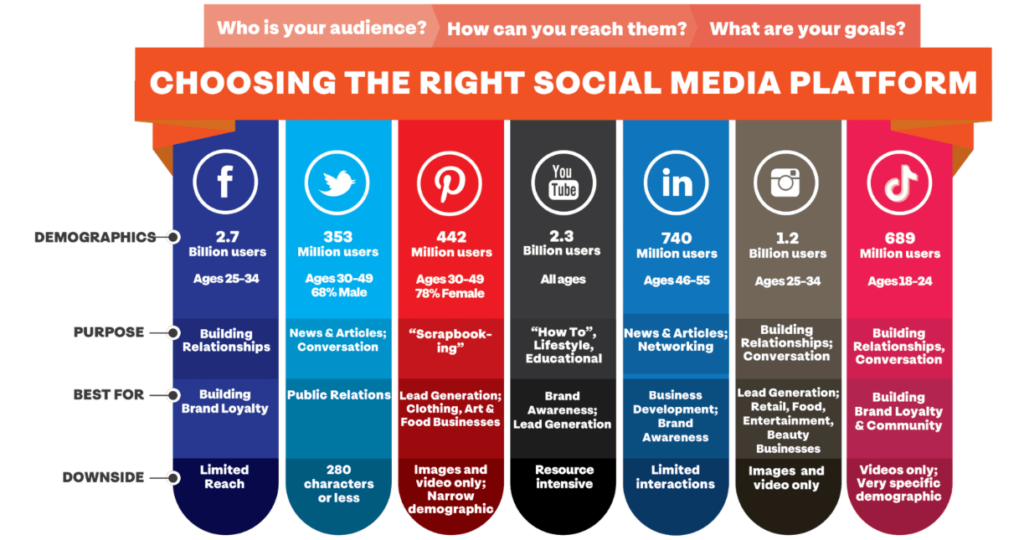
Social media advertising is a powerful channel for ketamine clinic marketing, giving your clinic direct access to potential patients based on specific demographics, interests, and behaviors. Platforms like Facebook and Instagram allow you to:
- Target with Precision: Reach potential patients based on demographics, interests, and online behavior.
- Engage Directly: Social media enables two-way conversations, letting you answer questions, share stories, and build relationships with your audience.
- Advertise: Paid social campaigns increase your reach and drive awareness and conversions at scale.
Implementing these components into your ketamine clinic marketing strategy is about creating a message that reaches and resonates with people who need your services. Stay informed, remain adaptable, and keep your patients’ well-being at the center of every marketing decision.
Implementing Successful Ketamine Marketing Strategies for Your Clinic
Knowing how to market a ketamine clinic takes more than good intentions. It requires a clear understanding of who your patients are, what they are searching for, and how to reach them at the right moment. A well-executed digital marketing for a ketamine clinic strategy combines audience targeting, data analysis, and referral relationships into a single, coordinated approach.
Targeting the Right Audience
Identifying your ideal patient is the foundation of an effective ketamine clinic marketing campaign. Knowing who needs your services most allows you to tailor your messaging to speak directly to their concerns and motivations. Here are a few steps to help you pinpoint your ideal patients:
- Conduct Patient Persona Workshops: Develop detailed patient personas by examining your existing patient base and identifying common traits, conditions treated, and outcomes. Common audiences for ketamine therapy include professionals experiencing high stress, people with treatment-resistant depression, and those seeking alternatives for chronic pain.
- Utilize Psychographic Segmentation: Beyond basic demographics, explore your prospective patients’ lifestyles, values, and attitudes. Understanding what motivates them and what they fear enhances your ability to connect on a deeper level.
Getting audience targeting right early in the process means every dollar you spend on digital marketing for a ketamine clinic goes further. When your messaging speaks directly to the person on the other side of the screen, response rates improve and cost per acquisition drops.
Utilizing Analytics and Data-driven Marketing
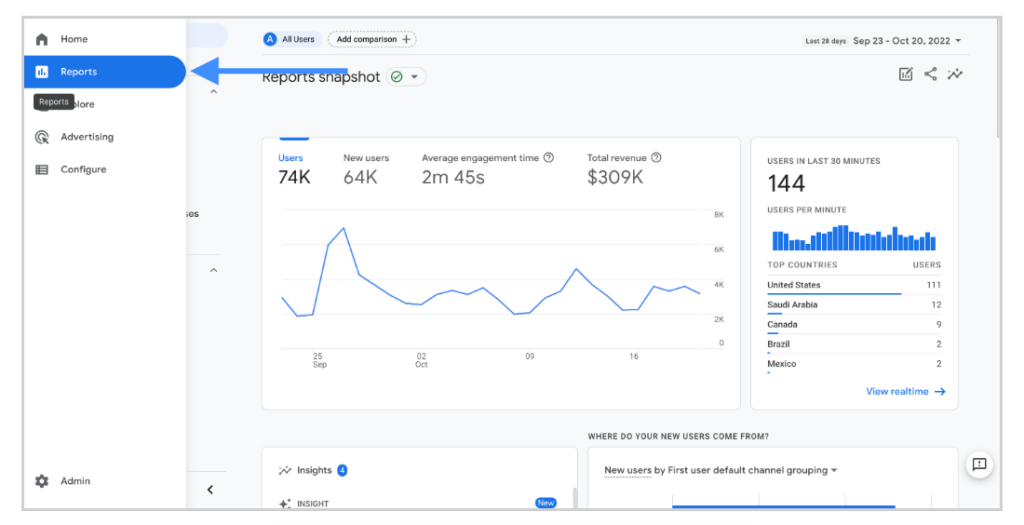
Analytics tools give your clinic a real-time picture of what is working in your marketing and where the budget is being wasted. Tools like Google Analytics and social media analytics platforms reveal which content resonates most, the paths visitors take through your site, and where potential patients drop off before converting. Use this data consistently, and your strategy gets sharper over time.
A/B testing takes the guesswork out of your email marketing campaigns and website decisions. Instead of assuming which headline or call to action will perform better, you test them and let the data decide. Keyword research works the same way — it shows you exactly what your prospective patients are typing into search, so your content is built around real intent rather than assumptions. Put those two together, and your marketing stops being a guess.
Collaborating with Referring Providers
Referral relationships do not get enough attention in ketamine clinic marketing, and that is a missed opportunity. Most healthcare providers in your area are still learning what ketamine therapy can address, which means there is room to educate them and build genuine partnerships. Sharing clear, evidence-based resources with referring providers gives them the confidence to send patients your way, and those patients typically arrive already informed and ready to move forward.
A structured referral program makes the process easier for everyone. Regular communication, progress updates on referred patients, and reciprocal arrangements give other clinicians a reason to keep your clinic top of mind. Professional networking events, including webinars and local seminars on ketamine therapy, position your clinic as a regional resource and strengthen your clinic’s reputation among providers who influence patient decisions.
When audience targeting, analytics, and referral development work together, your clinic stops depending on any single source of new patients. Each strategy reinforces the others, and a ketamine clinic that invests in all three builds a pipeline that is far more stable than one built on paid ads alone.
Challenges and Solutions in Ketamine Marketing
Marketing a ketamine clinic comes with challenges that most general marketing agencies are not equipped to handle. The sections below outline the main hurdles and how to address them strategically.
Overcoming Stigma and Misconceptions
Ketamine therapy still confronts stigma and misconceptions in the public eye, and a thoughtful marketing approach addresses those head-on. Here are proven ways to shift the narrative:
- Educate Through Content: Prioritize education in your content marketing strategy. Blog posts, e-books, and videos that explain the science behind ketamine’s therapeutic use build credibility. Publishing patient success stories and testimonials highlights real, positive outcomes.
- Engage on Social Media: Use your social media platforms to participate in conversations about mental health and ketamine therapy. Regular Q&A sessions, live discussions with healthcare professionals, and informative infographics help change the narrative over time.
- Host Informational Events: Webinars and community events that address common questions give prospective patients a chance to engage directly with your team and get accurate information in a low-pressure setting.
Public perception around ketamine therapy as an option is shifting, but it takes consistent effort to move it in your direction. Clinics that show up regularly with accurate, educational content earn a level of trust that paid advertising alone cannot buy. That trust is what turns a skeptical searcher into a patient who is ready to book a consultation.
Navigating Compliance and Regulatory Guidelines
Ketamine clinic marketing operates under a different set of rules than most healthcare advertising, and getting those rules wrong creates real risk. The stakes are high enough that precision matters from the start. Here are the key areas to stay on top of:
- Stay Informed: Keep up with the latest regulations affecting healthcare marketing, including FDA guidelines. Note that the FDA has only approved esketamine (Spravato) for treatment-resistant depression. Making broader “FDA-approved” claims about ketamine treatments is considered misleading and should be avoided in all marketing materials.
- Know Your HIPAA Status: If your clinic accepts health insurance, processes electronic billing, or uses third-party clearinghouses, HIPAA’s marketing guidelines apply to your practice. Cash-only, private-pay clinics that do not electronically bill insurance may not qualify as covered entities, but consulting a healthcare attorney before making that assumption is strongly recommended.
- Consult Legal Experts: Work with legal consultants who specialize in healthcare marketing. They can provide guidance on how to promote your services without breaching compliance or creating liability.
- Emphasize Privacy: Make it clear to your audience that their privacy is a priority and that your marketing channels handle patient data responsibly.
Getting compliance right protects your clinic from regulatory risk while strengthening patient trust. A marketing partner with healthcare experience, like Stodzy, understands these rules and builds campaigns that stay well within them.
Building Trust and Credibility
Credibility in ketamine therapy is not assumed. It is built through visible expertise, transparent communication, and a consistent track record. Featuring your clinical team’s credentials prominently, publishing educational content regularly, and making it easy for prospective patients to understand what your clinic does and how it works all contribute to a reputation that holds up under scrutiny. Patients searching for ketamine therapy are doing their homework, and your clinic’s online presence needs to reflect the quality of care you actually provide.
Positive patient reviews carry significant weight in that evaluation process. Encouraging satisfied patients to share their experiences and featuring those testimonials on your website and social profiles gives prospective patients something concrete to trust. Building relationships with other healthcare providers through referral programs, joint educational events, and collaborative content adds another layer of credibility, broadening your reach organically.
Key Takeaways
Marketing for ketamine clinics works best when every channel supports the same goal: connecting the right patients with the care they need.
- Educate Your Audience: Use content marketing, including blogs, videos, and infographics, to educate potential patients on the benefits and science behind ketamine therapy, establishing your clinic as a trusted authority.
- Leverage Social Media and Online Tools: Use social media platforms and your Google Business Profile to engage your audience, share patient success stories, and improve your clinic’s online visibility.
- Emphasize Effective Branding: A cohesive visual identity and compelling messaging that reflect your clinic’s values and mission are essential for attracting and retaining patients.
- Create a User-Friendly, SEO-Optimized Website: Your website should be easy to navigate, informative, and optimized for search engines so patients can find you when it matters most.
- Implement Data-Driven Marketing: Use analytics and SEO insights to keep your marketing focused on what actually drives results.
- Build Trust and Credibility: Patient testimonials, staff expertise, and relationships with healthcare professionals all establish your clinic as a credible, trusted source for ketamine therapy.
A strong marketing program does not require doing everything at once. Start with the channels that align best with your current goals and budget, and build from there.
Getting Started with Ketamine Clinic Marketing
A well-executed ketamine clinic marketing strategy does not happen by accident. It takes the right combination of SEO, content, paid advertising, and local optimization, all built around a clear understanding of your patients and your market. Most clinics that struggle with marketing are not lacking in quality care. They lack visibility and a consistent strategy to convert that visibility into new patient inquiries.
Stodzy works exclusively with healthcare providers, and we understand the specific challenges that come with marketing ketamine therapy. From building your online presence to running compliant paid search campaigns, our team handles the marketing so you can stay focused on your patients. If you are ready to grow your clinic with a strategy that actually produces results, we would love to talk. Contact us today to get started.
FAQs About Our Ketamine Clinic Marketing Services
Ketamine clinic marketing raises questions that go beyond standard digital strategy. Here are direct answers to what clinic owners and providers ask us most.
How is marketing a ketamine clinic different from other healthcare marketing?
Ketamine therapy operates in a space where public awareness is still catching up to the clinical evidence. Marketing your clinic requires a greater focus on education, trust-building, and compliance than most other healthcare specialties. Generic marketing tactics that work for a dental practice or a primary care clinic rarely translate here.
Can ketamine clinics run Google Ads?
Yes, but the process is more involved than a standard Google Ads account. If your clinic offers or references addiction-related treatments, LegitScript certification is typically required before your campaigns will be approved. An agency that understands healthcare advertising policy can help you navigate the process without wasting time or triggering account issues.
How long does it take to see results from a ketamine marketing strategy?
Paid search moves fast. Most clinics start receiving patient inquiries within the first week after a well-built campaign goes live. SEO and content take longer, usually 3 to 6 months, before meaningful organic volume builds. Running both at the same time gives your clinic coverage now while the long-term foundation develops.
What social media platforms work best for ketamine clinic marketing?
Facebook and Instagram are the strongest starting points for reaching prospective patients directly. Their targeting options let you get specific about who sees your content, and the visual format works well for showcasing your clinic and team. LinkedIn is worth adding if building referral relationships with other providers is part of your strategy.
Do I need a separate marketing strategy for each clinic location?
Yes, and the investment is worth it. Each location operates in its own local search market, and a single website with no location-specific pages rarely competes well in any of them. Dedicated landing pages with localized content and SEO give each location a real shot at ranking where it matters.